
Executive Summary
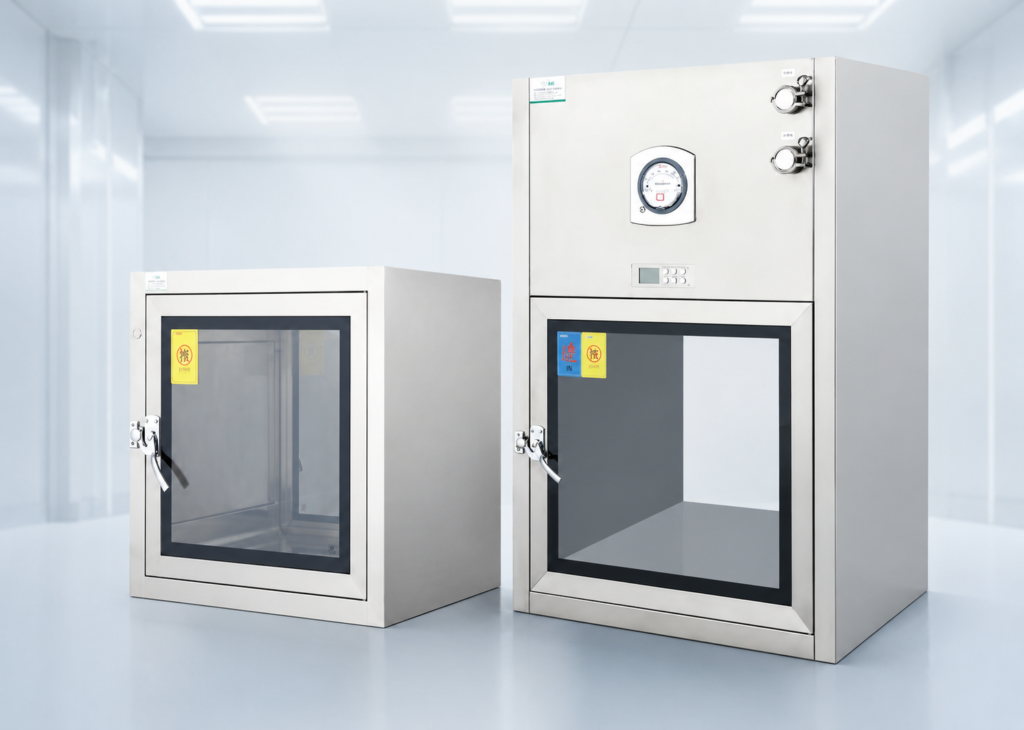
A pass box is used to transfer materials between cleanroom areas while reducing unnecessary personnel movement and helping control contamination risk. However, many buyers are unsure whether they need a static pass box or a dynamic pass box.
The key difference is simple:
- A static pass box transfers materials between rooms without active air filtration inside the chamber.
- A dynamic pass box includes an air supply system, usually with a fan and HEPA filter, to provide filtered airflow inside the chamber.
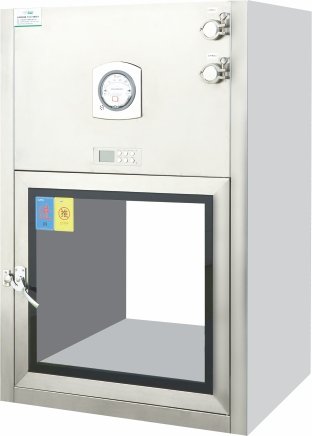
A dynamic pass box is not always “better.” It is more suitable for higher-risk transfer areas, stricter cleanliness requirements, or applications where materials need additional air filtration before entering a cleaner zone.
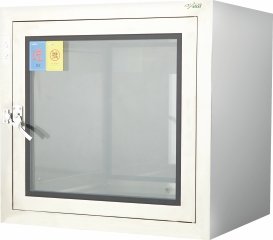
A static pass box is often the better choice for many general cleanrooms because it is simpler, more economical, easier to maintain, and sufficient for many material transfer needs.
The right choice depends on:
- Cleanroom classification
- Direction of material transfer
- Contamination risk
- Whether the pass box connects areas of different cleanliness levels
- Pharmaceutical, hospital, laboratory, or industrial requirements
- Budget and maintenance capacity
- Whether HEPA filtration, UV sterilization, interlock, or air shower function is needed
This guide explains the differences clearly and helps buyers avoid over-specification or under-specification.
Who Should Read This Guide?
This guide is written for:
- Pharmaceutical factory buyers
- Cleanroom contractors
- Hospital project managers
- Laboratory planners
- Medical device manufacturers
- Electronics cleanroom engineers
- Food processing facility managers
- Procurement teams comparing pass box suppliers
- EPC and MEP contractors working on controlled environments
If you are planning to buy pass boxes for a cleanroom, laboratory, operating theater, pharmaceutical plant, or industrial clean area, this article will help you choose the right type.
What Is a Pass Box?
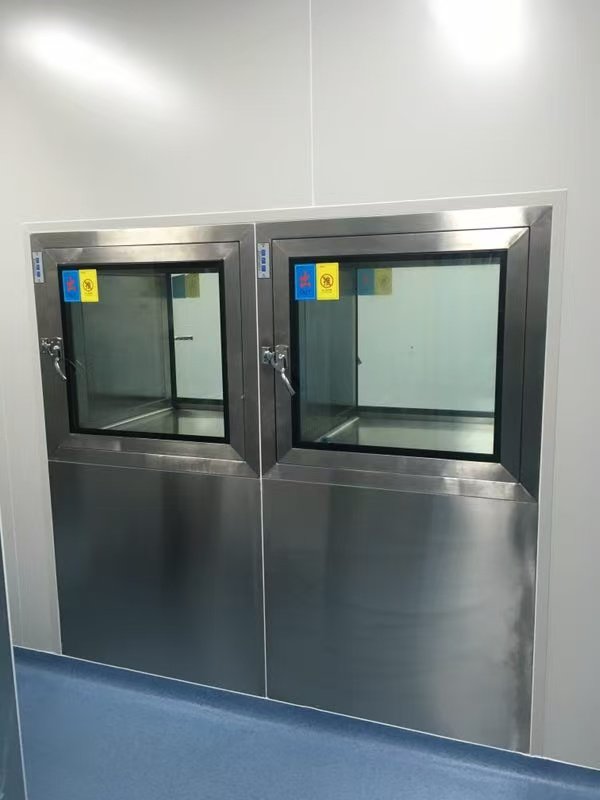
A pass box, also called a pass-through box, transfer hatch, or pass-through chamber, is a cleanroom device used to transfer materials between two areas without requiring people to enter and exit frequently.
Its main purpose is to:
- Reduce personnel movement
- Limit door opening frequency
- Support contamination control
- Improve material transfer efficiency
- Help maintain cleanroom discipline
- Separate clean and less-clean areas
A typical pass box includes:
- Stainless steel chamber
- Two doors
- Mechanical or electronic interlock
- Sealing gasket
- Observation window
- Optional UV lamp
- Optional HEPA filtration
- Optional air shower nozzles
- Optional differential pressure gauge
- Optional PLC control system
The pass box itself does not replace good cleanroom design. It is one part of a complete contamination control strategy.
Static Pass Box vs Dynamic Pass Box: Quick Comparison
| Feature | Static Pass Box | Dynamic Pass Box |
|---|---|---|
| Airflow system | No active airflow | Built-in fan and filtered airflow |
| HEPA filter | Usually not included | Usually included |
| Main function | Material transfer with separation | Material transfer with air filtration |
| Cost | Lower | Higher |
| Maintenance | Simple | Requires filter and fan maintenance |
| Energy use | Very low | Higher due to fan operation |
| Best for | Same or similar cleanliness areas | Different cleanliness levels or higher-risk transfer |
| Typical industries | General cleanrooms, electronics, hospitals, laboratories | Pharmaceutical, biotech, sterile or higher-grade clean areas |
| Installation complexity | Lower | Higher |
| Common options | Interlock, UV lamp | Interlock, UV lamp, HEPA, airflow, pressure gauge |
| Risk of over-specification | Low | Higher if used unnecessarily |
1. What Is a Static Pass Box?
A static pass box is a transfer chamber without active air supply or HEPA filtration inside the box.
It is mainly used to transfer materials between rooms while keeping both doors from opening at the same time.
The most important feature of a static pass box is the interlock system.
When one door is open, the other door remains locked. This helps reduce direct air exchange between two rooms.
Typical Features of a Static Pass Box
- Stainless steel chamber
- Two-door structure
- Mechanical or electronic interlock
- Sealing gasket
- Tempered glass window
- Optional UV sterilization lamp
- Optional buzzer or indicator light
- Easy-to-clean internal surface
Best Applications for Static Pass Boxes
Static pass boxes are commonly used in:
- General cleanrooms
- ISO 7 and ISO 8 areas
- Electronics workshops
- Medical device manufacturing
- Hospital auxiliary areas
- Laboratories
- Food processing clean areas
- Material transfer between areas with similar cleanliness levels
Advantages of Static Pass Boxes
- Lower purchase cost
- Simple structure
- Easy installation
- Low maintenance
- No HEPA filter replacement
- Low energy consumption
- Reliable for general material transfer
- Suitable for many cleanroom projects
Limitations of Static Pass Boxes
- No active air filtration inside the chamber
- Not suitable when strong air purification is required
- Not ideal for high-risk sterile transfer
- Less suitable between significantly different cleanliness levels
- Does not remove particles from material surfaces
Expert Recommendation
A static pass box is often sufficient when the transfer is between areas of the same or similar cleanliness level and the materials have already been cleaned or packaged properly. Buyers should not choose a dynamic pass box simply because it sounds more advanced.
2. What Is a Dynamic Pass Box?
A dynamic pass box includes an internal air supply and filtration system. It normally uses a fan to draw air through a HEPA filter and supply clean air into the chamber.
In some designs, airflow passes over the transferred materials to reduce particle contamination inside the chamber.
Typical Features of a Dynamic Pass Box
- Stainless steel chamber
- Built-in fan
- HEPA filter
- Airflow system
- Electronic interlock
- UV sterilization lamp
- Differential pressure gauge
- Control panel
- Air shower nozzles in some models
- Optional PAO/DOP test port
- Optional PLC control
Best Applications for Dynamic Pass Boxes
Dynamic pass boxes are commonly used in:
- Pharmaceutical cleanrooms
- Biotech facilities
- Sterile production areas
- Higher-grade cleanrooms
- Transfer between areas of different cleanliness levels
- Material transfer into cleaner zones
- Critical laboratory environments
- Medical device cleanrooms with stricter requirements
Advantages of Dynamic Pass Boxes
- Provides filtered air inside the chamber
- Helps reduce airborne particles during transfer
- Better for higher-risk applications
- Suitable for stricter cleanroom requirements
- Can support pressure control design
- Often preferred in pharmaceutical and biotech projects
Limitations of Dynamic Pass Boxes
- Higher purchase cost
- Requires power supply
- Requires fan maintenance
- HEPA filter must be inspected and replaced
- More complex installation
- Higher energy consumption
- Not always necessary for general cleanrooms
Expert Recommendation
A dynamic pass box should be selected when there is a clear contamination control reason for active filtration. If the cleanroom process does not require HEPA-filtered air inside the transfer chamber, a dynamic model may add unnecessary cost and maintenance.
3. The Real Difference: Separation vs Filtration
The most important difference between static and dynamic pass boxes is not appearance. It is the function.
A static pass box mainly provides physical separation and controlled transfer.
A dynamic pass box provides physical separation plus filtered airflow.
Static Pass Box Function
A static pass box reduces direct contact between two areas by using:
- Two-door structure
- Interlock system
- Sealed chamber
- Controlled transfer procedure
It helps prevent both doors from opening simultaneously.
Dynamic Pass Box Function
A dynamic pass box adds:
- HEPA-filtered air
- Internal airflow
- Fan system
- Pressure or airflow monitoring in some designs
It is used when material transfer needs an additional level of air cleanliness control.
Simple Decision Rule
Choose a static pass box when your main requirement is controlled transfer.
Choose a dynamic pass box when your main requirement is controlled transfer plus active air filtration.
4. How Cleanroom Classification Affects Pass Box Selection
Cleanroom classification is one of the first factors to consider.
However, buyers should avoid making decisions based only on ISO class. The process risk and transfer direction are equally important.
General Selection Guide
| Cleanroom Level / Application | Common Pass Box Choice |
|---|---|
| General clean area | Static pass box |
| ISO 8 cleanroom | Static pass box usually sufficient |
| ISO 7 cleanroom | Static or dynamic, depending on process |
| ISO 6 cleanroom | Dynamic often considered |
| ISO 5 critical area | Dynamic or special transfer system may be required |
| Pharmaceutical material transfer | Dynamic often preferred for higher-risk transfer |
| Electronics cleanroom | Static often sufficient |
| Hospital auxiliary area | Static often sufficient |
| Sterile manufacturing support area | Dynamic often preferred |
Important Note
A dynamic pass box does not automatically make a room meet a higher cleanroom classification. Cleanroom classification depends on the whole system, including HVAC, filtration, airflow pattern, pressure, construction quality, operation, cleaning, and monitoring.
Expert Recommendation
For pharmaceutical and sterile applications, pass box selection should be reviewed together with the cleanroom layout, material flow, personnel flow, pressure cascade, and contamination control strategy.
5. Material Transfer Direction Matters
One of the most important questions is:
Are materials moving from a less clean area to a cleaner area?
If yes, the contamination risk is higher.
For example:
- Warehouse → clean corridor
- Packaging area → production room
- General corridor → sterile area
- Outer laboratory area → controlled clean zone
When materials move from a less clean area to a cleaner area, a dynamic pass box may be more appropriate, especially if the process is sensitive.
If materials move between similar cleanliness areas, a static pass box may be enough.
Transfer Direction Table
| Transfer Direction | Risk Level | Recommended Option |
|---|---|---|
| Same cleanliness level to same level | Low | Static pass box |
| Cleaner area to less clean area | Low to medium | Static pass box |
| Less clean area to cleaner area | Medium to high | Dynamic pass box may be preferred |
| General area to pharmaceutical cleanroom | High | Dynamic pass box often recommended |
| Packaging to sterile support area | High | Dynamic pass box or special transfer system |
| Corridor to hospital utility room | Low to medium | Static pass box |
Expert Recommendation
Do not evaluate a pass box as an isolated product. Evaluate the direction of contamination risk. In cleanroom design, material flow is often more important than the pass box model itself.
6. Interlock System: Essential for Both Types
Both static and dynamic pass boxes should have an interlock system.
The interlock prevents both doors from opening at the same time.
This helps reduce:
- Direct air exchange
- Cross-contamination risk
- Pressure disturbance
- Operator error
Common Interlock Types
| Interlock Type | Features | Best For |
|---|---|---|
| Mechanical interlock | Simple, no power required | Basic cleanroom transfer |
| Electronic interlock | Indicator lights, better control | Pharmaceutical, hospital, laboratory |
| Electromagnetic interlock | Stronger control | Higher-grade cleanrooms |
| PLC-controlled interlock | Advanced logic control | Complex projects |
Buyer Questions
Before ordering, ask:
- Is the interlock mechanical or electronic?
- Can both doors open at the same time?
- Is there an emergency release?
- Are indicator lights included?
- Is there an alarm if the door remains open too long?
- Can the interlock be integrated with access control?
Expert Recommendation
For general industrial cleanrooms, a mechanical interlock may be sufficient. For pharmaceutical, hospital, and laboratory projects, electronic interlock is often preferred because it provides better control and clearer user feedback.
7. HEPA Filtration: When Is It Necessary?
HEPA filtration is the main reason buyers choose a dynamic pass box.
A HEPA filter can remove airborne particles from the air supplied into the pass box chamber. This is useful when material transfer requires cleaner air conditions inside the pass box.
When HEPA Filtration Is Recommended
HEPA filtration is recommended when:
- Materials enter a cleaner zone from a less clean area
- The process is sensitive to particles
- Pharmaceutical or biotech transfer is involved
- The pass box connects different cleanliness levels
- The project specification requires a dynamic pass box
- Airflow over the material is needed
- The cleanroom has stricter contamination control requirements
When HEPA Filtration May Be Unnecessary
HEPA filtration may be unnecessary when:
- Areas have the same cleanliness level
- Materials are already sealed or packaged
- Transfer risk is low
- The cleanroom is ISO 8 or general controlled area
- Budget and maintenance capacity are limited
- The pass box is used only for low-risk transfer
Buyer Questions
Ask the supplier:
- What HEPA filter grade is used?
- What is the filtration efficiency?
- Is the HEPA filter replaceable?
- Is there a pressure gauge?
- Can the filter be tested?
- Where is the air intake and outlet?
- How is airflow distributed inside the chamber?
Expert Recommendation
HEPA filtration adds value only when it supports the contamination control strategy. A dynamic pass box with poor airflow design or difficult filter maintenance may not perform better than a well-designed static pass box in a low-risk application.
8. UV Sterilization: Useful but Often Misunderstood
Many pass boxes include a UV lamp. Buyers often assume UV sterilization makes the pass box “sterile.” This is not accurate.
UV can help reduce microbial contamination on exposed surfaces under proper conditions, but its effectiveness depends on:
- Exposure time
- Lamp intensity
- Distance from the surface
- Surface visibility
- Cleanliness of the lamp
- Material shadowing
- Maintenance and lamp replacement
UV light cannot effectively sterilize surfaces that are hidden, shaded, dirty, or blocked by packaging.
When UV Is Useful
UV may be useful for:
- Additional surface disinfection support
- Laboratory transfer
- Hospital support areas
- Pharmaceutical auxiliary areas
- Non-critical microbial control support
When UV Is Not Enough
UV should not be treated as a replacement for:
- Proper cleaning procedure
- Material wiping
- Validated decontamination process
- Good cleanroom operation
- Correct packaging transfer method
- Sterile transfer protocol
Buyer Questions
Ask:
- Is the UV lamp included?
- What is the lamp power?
- Is there a timer?
- Does the UV lamp turn off when the door opens?
- Is there safety protection for operators?
- How often should the lamp be replaced?
Expert Recommendation
UV is a useful auxiliary function, but it should not be the main reason for choosing a pass box. For critical pharmaceutical or sterile applications, buyers should follow validated cleaning and transfer procedures.
9. Cost Comparison: Static vs Dynamic Pass Box
Cost is not only the purchase price. Buyers should consider total life-cycle cost.
Static Pass Box Cost Factors
- Chamber material
- Size
- Interlock type
- UV lamp
- Window design
- Surface finish
- Custom dimensions
- Packing and shipping
Static pass boxes are usually more economical because they do not include fan, HEPA filter, airflow system, or pressure monitoring.
Dynamic Pass Box Cost Factors
- Stainless steel chamber
- Fan system
- HEPA filter
- Airflow design
- Pressure gauge
- Electronic control system
- UV lamp
- Air shower nozzles if required
- Testing and validation options
- Maintenance and filter replacement
Dynamic pass boxes usually cost more at the beginning and require more maintenance during operation.
Life-Cycle Cost Table
| Cost Item | Static Pass Box | Dynamic Pass Box |
|---|---|---|
| Initial purchase cost | Lower | Higher |
| Installation cost | Lower | Medium |
| Power consumption | Very low | Higher |
| Maintenance | Low | Medium to high |
| HEPA replacement | Not required | Required |
| Fan maintenance | Not required | Required |
| Control system maintenance | Low | Medium |
| Long-term operating cost | Lower | Higher |
Expert Recommendation
If a dynamic pass box is required for process control, the additional cost is justified. If the application is low-risk, choosing a dynamic pass box may increase cost without improving practical performance.
10. When NOT to Choose a Dynamic Pass Box
This is an important question many suppliers do not explain clearly.
A dynamic pass box may not be necessary when:
- The transfer is between similar cleanliness areas
- Materials are already sealed in clean packaging
- The cleanroom is ISO 8 or general controlled area
- There is no requirement for filtered airflow inside the chamber
- Maintenance team cannot replace or test HEPA filters properly
- Budget is limited and the process risk is low
- The project specification does not require it
- A static pass box with good interlock and cleaning procedure is sufficient
Example
For an electronics assembly cleanroom where packaged components are transferred between two similar clean areas, a static pass box may be more practical and cost-effective.
For a pharmaceutical cleanroom where materials enter a cleaner production area from a less clean corridor, a dynamic pass box may be the safer choice.
Expert Recommendation
Do not buy the highest specification automatically. Buy the specification that matches the contamination risk.
11. When NOT to Choose a Static Pass Box
A static pass box may not be suitable when:
- Materials move from a less clean area to a much cleaner area
- The process is sensitive to airborne particles
- Pharmaceutical or sterile production is involved
- The specification requires HEPA-filtered airflow
- There is a higher risk of microbial contamination
- The pass box connects different cleanliness levels
- The cleanroom validation team requires dynamic transfer control
- The client requires a dynamic pass box in URS or project documents
Expert Recommendation
A static pass box is not a low-quality product. It is simply designed for a different risk level. The problem is not choosing static or dynamic. The problem is choosing without understanding the process.
12. Application-Based Selection Guide
Pharmaceutical Cleanrooms
Pharmaceutical projects often require stricter contamination control. Dynamic pass boxes are commonly used when transferring materials into cleaner zones or production areas.
Recommended:
- Static pass box for low-risk auxiliary transfer
- Dynamic pass box for higher-grade or higher-risk transfer
- Electronic interlock
- UV lamp if required
- HEPA filtration for dynamic models
- Stainless steel 304 chamber
- Pressure gauge for dynamic models
Hospital Projects
Hospitals may use pass boxes in operating departments, sterile supply areas, laboratories, and clean support rooms.
Recommended:
- Static pass box for general support areas
- Dynamic pass box where cleaner transfer conditions are required
- Easy-to-clean stainless steel structure
- Reliable interlock
- UV lamp depending on hospital practice
Laboratories
Laboratories vary widely. Selection depends on what is being transferred and whether the material presents chemical, biological, or particle risk.
Recommended:
- Static pass box for general transfer
- Dynamic pass box for sensitive sample or clean material transfer
- Stainless steel structure
- Safety-focused interlock
- UV lamp if required
Electronics Cleanrooms
Electronics cleanrooms often focus on particle control. Static pass boxes may be sufficient for many general transfer needs, especially when materials are already packaged.
Recommended:
- Static pass box for general ISO 7 or ISO 8 transfer
- Dynamic pass box for higher cleanliness areas
- Smooth internal surface
- Low particle generation design
Food Processing Clean Areas
Food clean areas often require hygiene, washability, and corrosion resistance.
Recommended:
- Static pass box for general material transfer
- Stainless steel 304 construction
- Easy-to-clean chamber
- UV lamp depending on hygiene procedure
Static vs Dynamic Pass Box Decision Matrix
| Your Project Situation | Recommended Choice |
|---|---|
| Transfer between same cleanroom grade | Static pass box |
| Transfer from less clean area to cleaner area | Dynamic pass box may be preferred |
| General ISO 8 cleanroom | Static pass box |
| ISO 7 pharmaceutical area | Static or dynamic depending on risk |
| Sterile production support area | Dynamic pass box |
| Electronics cleanroom with packaged materials | Static pass box |
| Hospital support area | Static pass box |
| Laboratory sensitive material transfer | Dynamic pass box may be preferred |
| Budget-sensitive project | Static pass box if process allows |
| Project requires HEPA filtration | Dynamic pass box |
| Project requires simple transfer only | Static pass box |
| High-risk contamination transfer | Dynamic pass box |
Common Mistakes When Buying Pass Boxes
Mistake 1: Assuming Dynamic Is Always Better
Dynamic pass boxes are more complex and more expensive. They are valuable when active filtration is needed, but unnecessary for many low-risk transfer applications.
Mistake 2: Ignoring Material Flow
The pass box should be selected according to material flow direction. Moving materials from less clean to cleaner areas creates higher risk than moving between similar areas.
Mistake 3: Focusing Only on UV Lamp
UV is only an auxiliary function. A good pass box also requires proper interlock, sealing, cleanable surfaces, and correct operating procedures.
Mistake 4: Not Checking HEPA Maintenance
For dynamic pass boxes, HEPA filters need inspection and replacement. If the maintenance team cannot manage this properly, performance may decline.
Mistake 5: Choosing the Wrong Size
A pass box that is too small causes operational inconvenience. A pass box that is too large increases cost and may affect installation space.
Mistake 6: Ignoring Door Sealing
Poor sealing can reduce the effectiveness of both static and dynamic pass boxes.
Mistake 7: Not Confirming Wall Thickness
The pass box must match the cleanroom wall thickness. This is especially important for modular cleanroom panels.
Mistake 8: Buying Without Drawings
Buyers should request dimension drawings, wall opening size, electrical requirements, and installation details before production.
Mistake 9: Treating the Pass Box as a Standalone Product
A pass box must work with the cleanroom layout, pressure cascade, HVAC system, and material transfer SOP.
Buyer Checklist Before Requesting a Quotation
Prepare the following information before contacting a supplier:
- Cleanroom classification
- Application industry
- Room names on both sides of the pass box
- Cleanliness level on both sides
- Material transfer direction
- Product or material being transferred
- Required pass box size
- Wall thickness
- Static or dynamic preference
- Stainless steel grade
- Interlock type
- UV lamp requirement
- HEPA filter requirement
- Power supply
- Pressure gauge requirement
- Air shower nozzle requirement
- Installation method
- Quantity
- Project country
- Required delivery time
Supplier Questions Every Buyer Should Ask
Before placing an order, ask the supplier:
- Is the pass box static or dynamic?
- What stainless steel grade is used?
- What is the chamber thickness?
- What type of interlock is included?
- Is the interlock mechanical or electronic?
- Is UV sterilization included?
- For dynamic models, what HEPA filter is used?
- Is the HEPA filter replaceable?
- Is there a differential pressure gauge?
- Can you provide installation drawings?
- What wall thickness is suitable?
- Can the size be customized?
- How is the pass box packed for export?
- Can you provide spare parts?
- Do you also supply cleanroom doors, windows, FFU, or wall systems?
Frequently Asked Questions
1. What is the main difference between static and dynamic pass boxes?
A static pass box provides controlled material transfer without active air filtration. A dynamic pass box includes a fan and HEPA filter to provide filtered airflow inside the chamber.
2. Is a dynamic pass box always better than a static pass box?
No. A dynamic pass box is better only when active filtration is needed. For many general cleanroom transfers, a static pass box is sufficient and more cost-effective.
3. Does a static pass box have a HEPA filter?
Usually no. Static pass boxes normally do not include HEPA filtration.
4. Does a dynamic pass box require maintenance?
Yes. The fan, HEPA filter, UV lamp, pressure gauge, and control system may require maintenance.
5. Can a static pass box have UV light?
Yes. Many static pass boxes can include UV sterilization lamps.
6. Can a dynamic pass box replace an air shower?
No. A dynamic pass box and an air shower have different functions. A pass box is mainly for material transfer. An air shower is used to remove particles from personnel or materials before entering a clean area.
7. Which pass box is better for pharmaceutical cleanrooms?
It depends on the risk level and transfer direction. Dynamic pass boxes are often preferred for higher-risk pharmaceutical transfer, especially when materials move into cleaner zones.
8. Which pass box is better for electronics cleanrooms?
Static pass boxes are often sufficient for many electronics cleanrooms, especially when materials are packaged and transfer is between similar cleanliness areas.
9. What material is best for a pass box?
SUS304 stainless steel is widely used because it is durable, cleanable, and corrosion-resistant for many cleanroom applications. SUS316 may be used in more corrosive environments.
10. What size pass box should I choose?
The size should match the largest material package being transferred, while still fitting the wall and workflow. Oversized pass boxes increase cost and space requirements.
11. Is electronic interlock better than mechanical interlock?
Electronic interlock provides better control and indication, while mechanical interlock is simpler and does not require power. The best choice depends on project requirements.
12. Does a pass box need validation?
In regulated industries such as pharmaceuticals, pass boxes may need to be included in qualification, validation, or cleanroom commissioning activities according to the project’s quality system.
13. Can pass boxes be customized?
Yes. Size, material, interlock type, UV lamp, HEPA filtration, air shower nozzles, pressure gauge, and control system can often be customized.
14. What is the most common mistake when choosing a pass box?
The most common mistake is choosing static or dynamic based only on price or appearance, without analyzing material flow, cleanliness levels, and contamination risk.
15. What should I send to a supplier for quotation?
Send room application, cleanliness level, transfer direction, wall thickness, required size, static/dynamic preference, stainless steel grade, interlock requirement, UV requirement, and quantity.
Conclusion
Choosing between a static and dynamic pass box is not about choosing the more expensive or more advanced product. It is about choosing the right contamination control solution for your cleanroom process.
A static pass box is simple, reliable, economical, and suitable for many general cleanroom applications. A dynamic pass box provides HEPA-filtered airflow and is better suited for higher-risk transfer, pharmaceutical cleanrooms, and areas where materials move into cleaner zones.
The best decision should be based on cleanroom classification, material transfer direction, process risk, maintenance ability, and project specifications.
A professional supplier should help you avoid both under-specification and unnecessary over-specification.
Need Help Choosing a Pass Box for Your Cleanroom?
Juxing Purification Technology provides static pass boxes, dynamic pass boxes, cleanroom doors, cleanroom windows, FFU units, HEPA filtration products, and turnkey cleanroom and operating theater solutions for international projects.
If you are planning a pharmaceutical, hospital, laboratory, electronics, food, or industrial cleanroom project, our team can help evaluate your material transfer requirements and recommend a suitable pass box solution based on your application, budget, and cleanroom standards.